





A brand new examine led by researchers at McGill College is asking into query a long-standing concept about how dopamine influences motion. The findings recommend a shift in how scientists perceive Parkinson’s illness and the way its remedies work.
The analysis, revealed in Nature Neuroscience, exhibits that dopamine doesn’t straight management how briskly or how forcefully an individual strikes, as many specialists beforehand believed. As a substitute, dopamine seems to offer the essential circumstances that enable motion to occur within the first place.
“Our findings recommend we must always rethink dopamine’s position in motion,” mentioned senior writer Nicolas Tritsch, Assistant Professor in McGill’s Division of Psychiatry and researcher on the Douglas Analysis Centre. “Restoring dopamine to a standard degree could also be sufficient to enhance motion. That might simplify how we take into consideration Parkinson’s remedy.”
What Dopamine Does in Parkinson’s Illness
Dopamine performs a key position in motor vigor, which refers back to the skill to maneuver with velocity and power. In individuals with Parkinson’s illness, the mind cells that produce dopamine regularly break down. This loss results in hallmark signs corresponding to gradual motion, tremors, and issues with steadiness.
Levodopa, the commonest remedy for Parkinson’s, helps restore motion by rising dopamine ranges within the mind. Nonetheless, scientists haven’t absolutely understood why the drug is so efficient. Lately, improved brain-monitoring instruments detected temporary spikes of dopamine throughout motion. These speedy bursts led many researchers to suppose dopamine straight managed motion depth.
The brand new findings problem that assumption.
Dopamine Acts as Help, Not a Velocity Controller
The examine suggests dopamine doesn’t act as a moment-by-moment controller of motion. As a substitute, it serves a extra elementary position.
“Fairly than performing as a throttle that units motion velocity, dopamine seems to perform extra like engine oil. It is important for the system to run, however not the sign that determines how briskly every motion is executed,” mentioned Tritsch.
Monitoring Dopamine in Actual Time
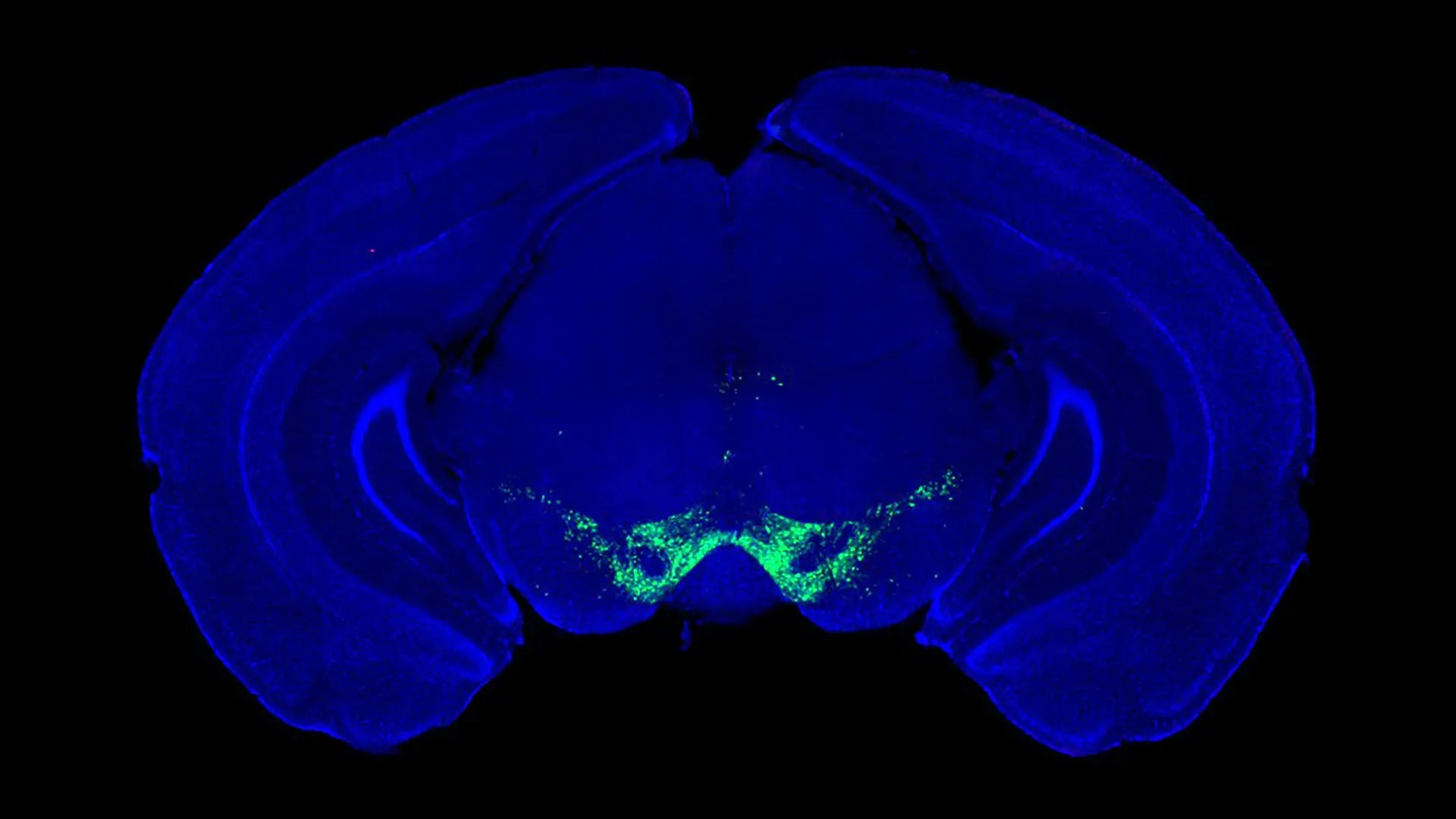
To check this concept, the researchers monitored mind exercise in mice whereas the animals pressed a weighted lever. Utilizing a light-based technique, they have been capable of change dopamine-producing cells “on” or “off” in the course of the process.
If speedy dopamine bursts have been liable for motion vigor, altering dopamine ranges at that precise second ought to have altered how briskly or forcefully the mice moved. As a substitute, adjusting dopamine exercise throughout motion made no distinction.
When the researchers examined levodopa, they discovered that the drug improved motion by elevating the mind’s general dopamine degree. It didn’t work by restoring the short-lived dopamine bursts that happen throughout movement.
Towards Extra Focused Parkinson’s Remedies
Greater than 110,000 Canadians are at present dwelling with Parkinson’s illness, and that quantity is predicted to greater than double by 2050 because the inhabitants ages.
In accordance with the researchers, a greater understanding of why levodopa works might information the event of future remedies that concentrate on sustaining regular dopamine ranges reasonably than concentrating on speedy dopamine alerts.
The findings additionally encourage researchers to reexamine older remedy methods. Dopamine receptor agonists have proven advantages prior to now however usually induced unwanted effects as a result of they affected massive areas of the mind. The brand new perception might assist scientists design safer therapies that act extra exactly.
Concerning the Examine
“Subsecond dopamine fluctuations don’t specify the vigor of ongoing actions” by Haixin Liu and Nicolas Tritsch et al., was revealed in Nature Neuroscience.
The examine was funded by the Canada First Analysis Excellence Fund, awarded via the Wholesome Brains, Wholesome Lives initiative at McGill College and the Fonds de Recherche du Québec.


