




Researchers from the Institut Pasteur and Inserm have discovered that when mom mice devour dietary emulsifiers, it may well negatively have an effect on the intestine microbiota of their offspring. These early adjustments in intestine micro organism are linked to the next danger of persistent inflammatory bowel situations and weight problems later in life. The findings level to potential well being results that reach throughout generations and underscore the necessity for human research, notably to know how early-life publicity to emulsifiers might affect long-term well being. The examine was printed in Nature Communications.
Emulsifiers are components extensively utilized in processed meals to enhance texture and prolong shelf life. They’re widespread in merchandise reminiscent of dairy objects, baked items, ice cream, and a few powdered child formulation. Regardless of their widespread use, scientists nonetheless know comparatively little about how these substances have an effect on human well being, particularly their affect on the intestine microbiota.
How the Research Was Performed
The analysis was led by Benoit Chassaing, Inserm Analysis Director and Head of the Microbiome-Host Interactions laboratory (an Inserm unit on the Institut Pasteur). Within the examine, feminine mice got two generally used emulsifiers, carboxymethyl cellulose (E466) and polysorbate 80 (E433), beginning ten weeks earlier than being pregnant and persevering with by way of being pregnant and breastfeeding. The researchers then examined the intestine microbiota of the offspring, which had by no means straight consumed these emulsifiers themselves.
The outcomes confirmed that the younger mice skilled noticeable adjustments of their intestine micro organism inside the first weeks of life. This era is particularly essential as a result of moms naturally move a part of their microbiota to their offspring by way of shut contact.
Disrupted Intestine-Immune Communication
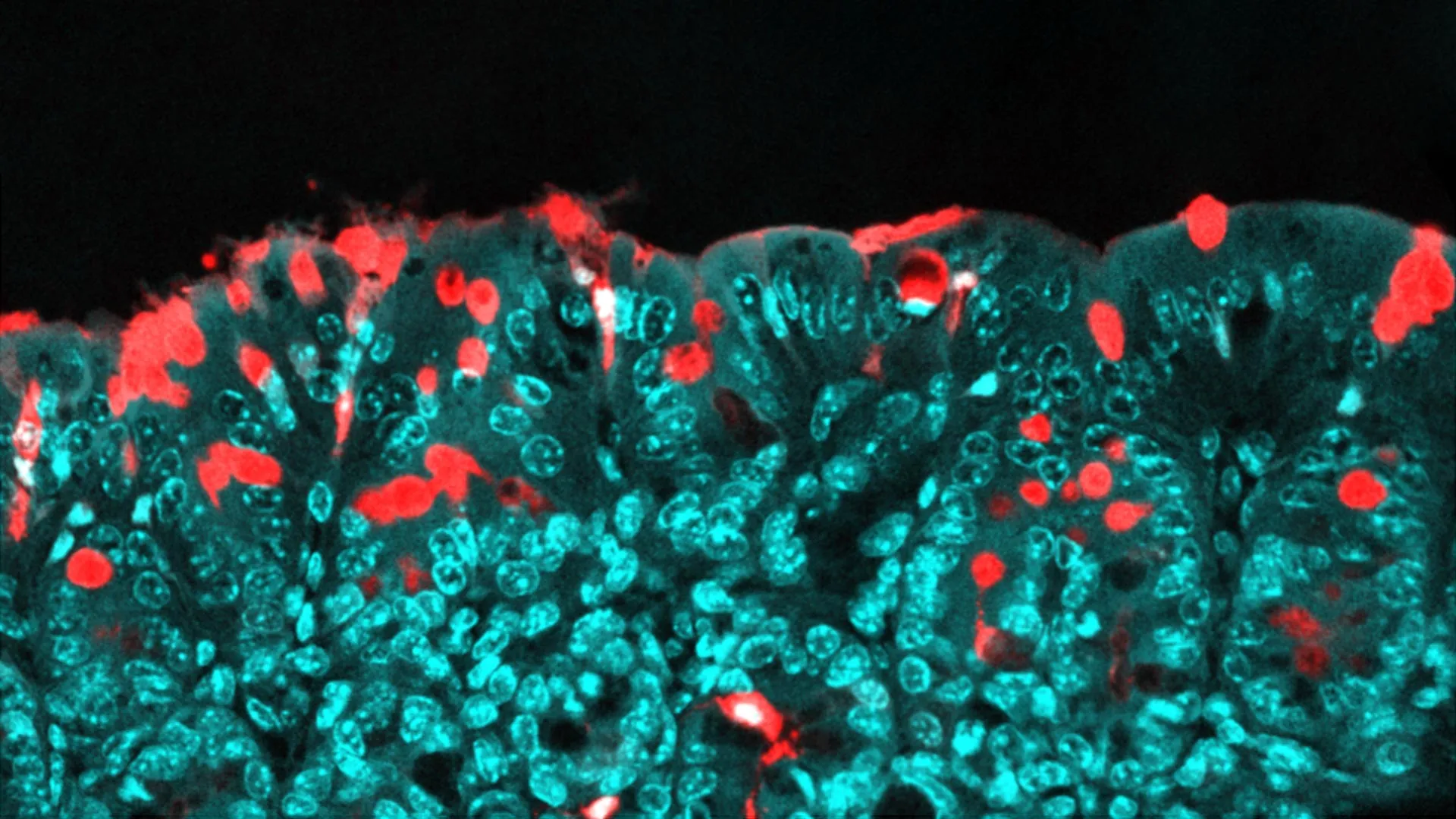
The altered microbiota included increased ranges of flagellated micro organism, that are recognized to activate the immune system and promote irritation. The researchers additionally noticed that extra micro organism had been coming into shut contact with the intestine lining. This course of, described as bacterial “encroachment,” brought about sure intestine pathways to shut sooner than regular. These pathways often enable small bacterial fragments to cross the intestine lining so the immune system can acknowledge them and be taught to tolerate the physique’s personal microbiota.
When these pathways closed too quickly within the offspring of emulsifier-exposed moms, communication between the intestine microbiota and the immune system was disrupted. Because the animals reached maturity, this disruption led to an overactive immune response and persistent irritation, considerably rising the chance of inflammatory intestine ailments and weight problems. The examine hyperlinks early-life microbiota adjustments in mice, even with out direct emulsifier consumption, to the next probability of growing these persistent situations afterward.
Implications for Human Well being
“It’s essential for us to develop a greater understanding of how what we eat can affect future generations’ well being. These findings spotlight how essential it’s to manage the usage of meals components, particularly in powdered child formulation, which regularly include such components and are consumed at a essential second for microbiota institution. We wish to proceed this analysis with scientific trials to review mother-to-infant microbiota transmission, each in instances of maternal diet with or with out meals components and in instances of infants straight uncovered to those substances in child components,” feedback Benoit Chassaing, final writer of the examine.
This work was funded by a Beginning Grant and a Consolidator Grant from the European Analysis Council (ERC).