






Sturdy social ties are generally linked to raised nicely being, and new evaluation offers a thoughts revenue to that itemizing. Researchers from The School of Texas at Austin and School of Massachusetts Boston report that normally serving to people exterior your loved ones can noticeably gradual cognitive decline in middle-age and older adults.
In a look at that adopted better than 30,000 adults inside the U.S. for twenty years, people who persistently helped others exterior the home confirmed a slower value of age-related cognitive decline. The researchers found the decline was diminished by about 15%-20% amongst people who each volunteered formally or helped in informal strategies, similar to supporting neighbors, family, or associates. The strongest and most fixed revenue appeared when people spent about two to 4 hours per week serving to others.
The findings had been printed not too way back in Social Science & Medicine. The work was supported by funding from the Nationwide Institute on Ageing on the Nationwide Institutes of Nicely being and the Eunice Kennedy Shriver Nationwide Institute of Teenager Nicely being and Human Enchancment.
“Frequently acts of assist — whether or not or not organized or personal — can have lasting cognitive impression,” said Sae Hwang Han, an assistant professor of human development and family sciences at UT who led the look at. “What stood out to me was that the cognitive benefits of serving to others weren’t merely short-term boosts nonetheless cumulative over time with sustained engagement, and these benefits had been evident for every formal volunteering and informal serving to. And together with that, common engagement of merely two to 4 hours was persistently linked to sturdy benefits.”
Formal volunteering and informal serving to every mattered
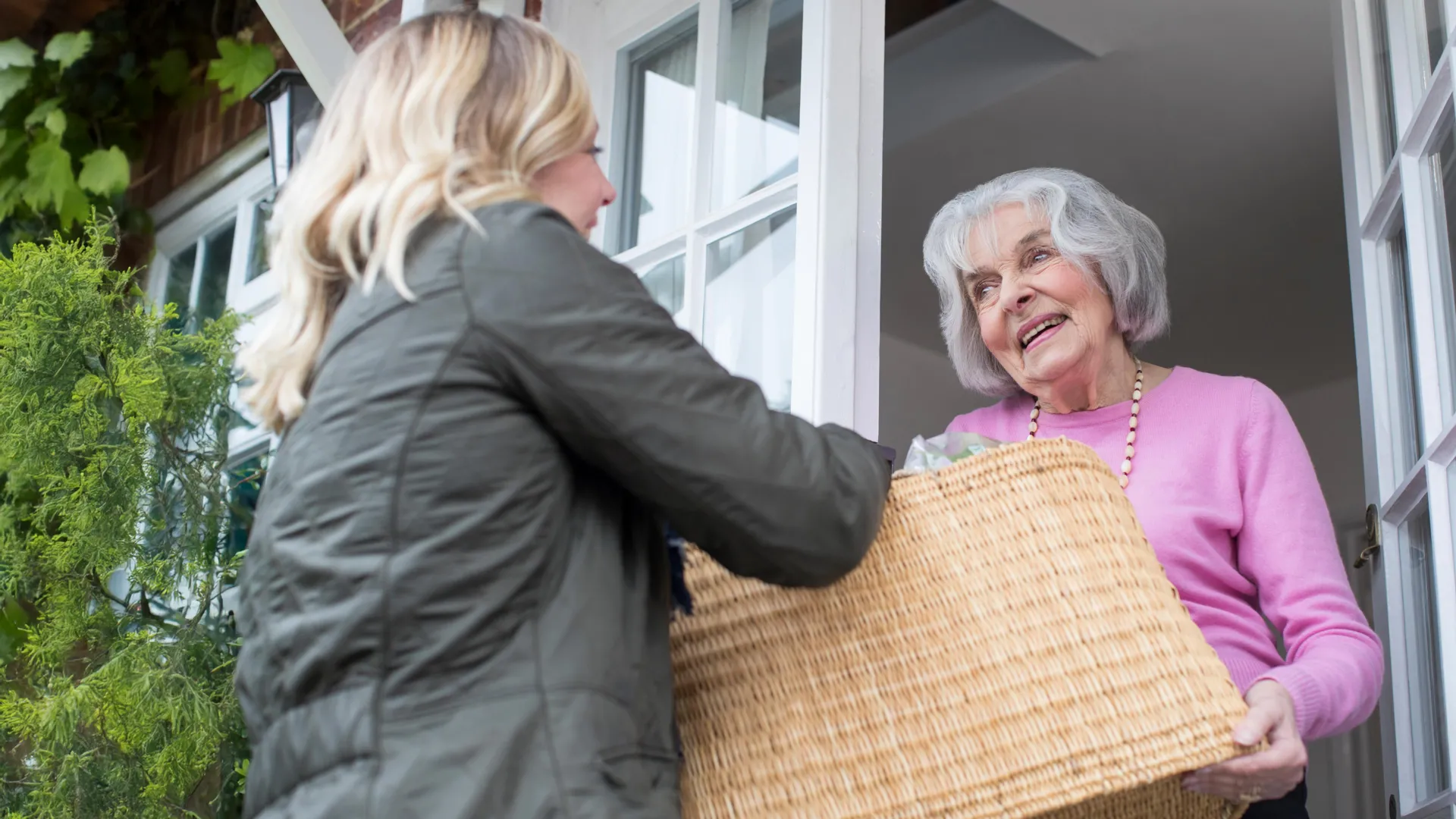
The look at is among the many many first to have a look at formal volunteering and informal serving to side by side. Informal serving to can embody giving any individual a expertise to a nicely being appointment, watching children, doing backyard work, or serving to place collectively taxes for a neighbor, relative, or pal.
Earlier research counsel about 1 in 3 older People take part in scheduled or formal volunteering. In distinction, better than half normally help people they know in these a lot much less formal strategies.
“Informal serving to is normally assumed to provide fewer nicely being benefits ensuing from its lack of social recognition,” Han said. Nonetheless in actuality, “It was a pleasant shock to go looking out that it provides cognitive benefits akin to formal volunteering.”
Prolonged-term nationwide data strengthens the findings
To verify these patterns over time, the researchers analyzed longitudinal data from the nationwide Nicely being and Retirement Look at. The dataset contains a advisor sample of U.S. residents over age 51, with information relationship once more to 1998.
The researchers accounted for various parts which will type every serving to habits and cognitive nicely being, along with wealth, bodily and psychological nicely being, and coaching. Even after considering these influences, cognitive decline tended to gradual when people started serving to others and continued to take motion. The outcomes moreover counsel that the benefits might develop when serving to turns into a mild routine yr after yr.
“Conversely, our data current that totally withdrawing from serving to is expounded to worse cognitive function,” Han said. “This implies the importance of conserving older adults engaged in some sort of serving to for as long as doable, with relevant helps and lodging in place.”
Why this can matter for public nicely being and getting older
The researchers argue these outcomes strengthen the case for fascinated with volunteering, serving to, and neighborhood connection as public nicely being factors. This may be notably important later in life, when circumstances tied to cognitive decline and impairment, along with Alzheimer’s, normally are likely to develop.
The paper moreover components to related work by the similar lead researcher. One different newest look at led by Han found that volunteering helped counter the harmful outcomes of continuous stress on systemic irritation — a recognized natural pathway linked to cognitive decline and dementia. The revenue was strongest amongst people with bigger ranges of irritation.
Taken collectively, these findings counsel serving to others might assist thoughts nicely being in a number of technique. It might in the reduction of the bodily stress linked to emphasise, and it might strengthen social bonds that current psychological, emotional, and cognitive assist. As societies age and points about loneliness and isolation develop, the outcomes moreover assist continued efforts to keep up people involved in methods during which permit them to contribute, even after cognitive decline has begun.
“Many older adults in suboptimal nicely being sometimes proceed to make invaluable contributions to those spherical them,” Han said, “and they also moreover stands out as those to notably revenue from being equipped with options to help.”
Completely different authors on the look at had been former UT postdoctoral researcher Shiyang Zhang and Jeffrey Burr of the School of Massachusetts Boston.


