





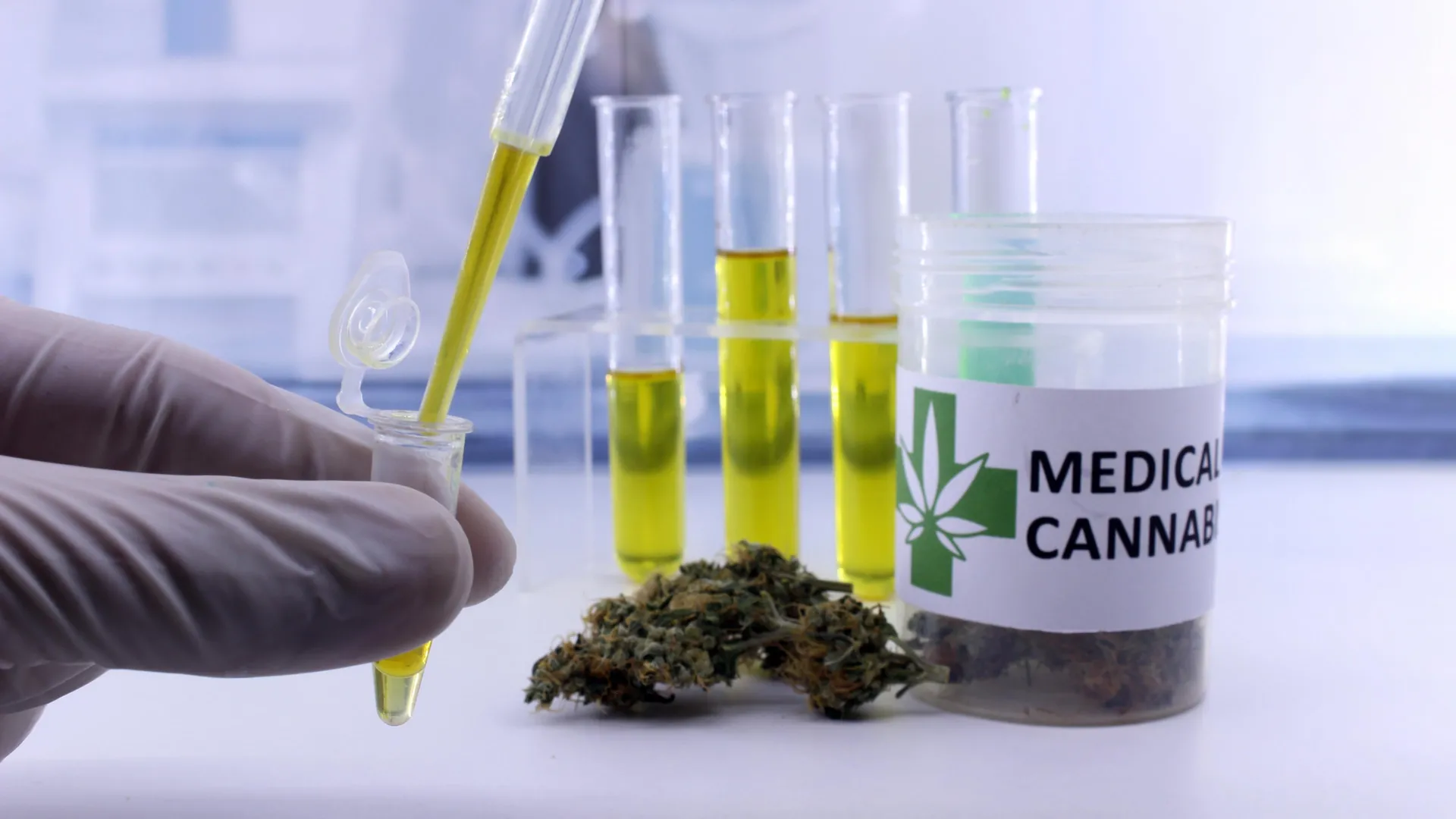
Medical hashish is extensively used for points corresponding to persistent ache, anxiousness and insomnia, however a serious evaluation led by UCLA Well being studies that the scientific help for these makes use of stays weak.
A research revealed in JAMA examined greater than 2,500 scientific papers launched from January 2010 by way of September 2025, together with randomized scientific trials, meta-analyses and scientific tips. Over 120 of those research got precedence primarily based on pattern measurement, recency, relevance and the vary of well being circumstances they addressed. Curiosity in hashish and associated compounds corresponding to CBD has steadily elevated, and a 2018 survey discovered that 27% of adults within the U.S. and Canada had used them for issues like ache, anxiousness and sleep.
Public Perception Outpaces Present Scientific Proof
Based on first creator Dr. Michael Hsu of UCLA Well being, many individuals assume hashish supplies dependable medical advantages, but current analysis doesn’t totally help these assumptions.
“Whereas many individuals flip to hashish in search of reduction, our assessment highlights important gaps between public notion and scientific proof relating to its effectiveness for many medical circumstances” stated Hsu, well being sciences scientific assistant professor on the UCLA Well being Division of Psychiatry and Biobehavioral Sciences. “Clear steerage from clinicians is important to help secure, evidence-based decision-making when discussing medical hashish with their sufferers.”
Confirmed Advantages Stay Slender
The assessment discovered that solely particular pharmaceutical-grade cannabinoid merchandise accredited by the U.S. Meals and Drug Administration have demonstrated clear scientific advantages. These medicines are restricted to sure circumstances, together with HIV/AIDS-related urge for food loss, chemotherapy-induced nausea and vomiting and extreme pediatric seizure issues corresponding to Dravet syndrome and Lennox-Gastaut syndrome.
For a lot of different well being issues, the out there proof stays unsure or inadequate. Though greater than half of medical hashish customers strive it for persistent ache, present scientific tips don’t suggest cannabis-based remedies as the primary possibility for ache administration.
Potential Well being Dangers Recognized
The evaluation additionally examined security issues. Lengthy-term research in adolescents confirmed that high-potency hashish could also be related to larger charges of psychotic signs (12.4% versus 7.1% for low-potency) and generalized anxiousness dysfunction (19.1% versus 11.6%).
Round 29% of medical hashish customers additionally met the factors for hashish use dysfunction. Every day consumption, particularly of inhaled or high-potency merchandise, might contribute to cardiovascular issues, together with elevated dangers of coronary coronary heart illness, coronary heart assault and stroke in comparison with non-daily use.
Steering for Clinicians
The assessment recommends that clinicians display for heart problems and psychotic issues, think about potential drug interactions and consider whether or not potential harms outweigh the advantages earlier than recommending THC-containing merchandise.
“Sufferers deserve trustworthy conversations about what the science does and does not inform us about medical hashish,” Hsu stated.
Research Limitations and the Want for Extra Analysis
The authors acknowledged a number of limitations. The evaluation was not a systemic assessment, and no formal threat of bias evaluation was accomplished. Among the analysis included was observational and should have been influenced by confounding components. Medical trial findings may additionally not apply to each affected person attributable to variations in research design, participant traits and the hashish merchandise evaluated.
“Additional analysis is essential to raised perceive the potential advantages and dangers of medical hashish. By supporting extra rigorous research, we are able to present clearer steerage and enhance scientific look after sufferers,” stated Dr. Hsu.
Researchers from Harvard, UC San Francisco, Washington College Faculty of Drugs, and New York College contributed to the research.