
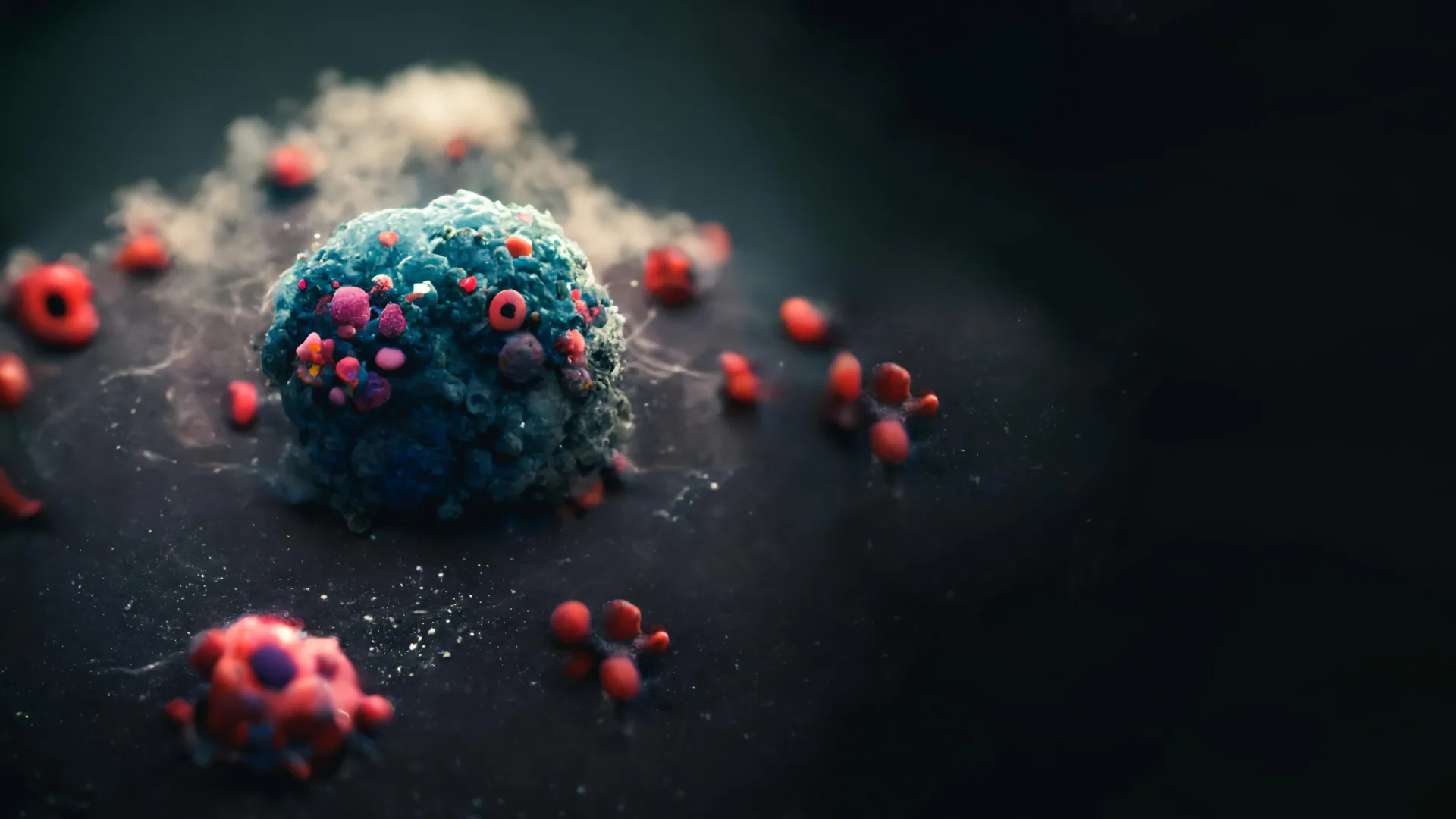




SereNeuro Therapeutics, a preclinical biotechnology company focused on non-opioid pain treatments, reported new findings on December 12 that describe a different way to manage chronic pain while helping protect joint tissue. The update centers on SN101, a first-in-class therapy created from induced pluripotent stem cells (iPSCs).
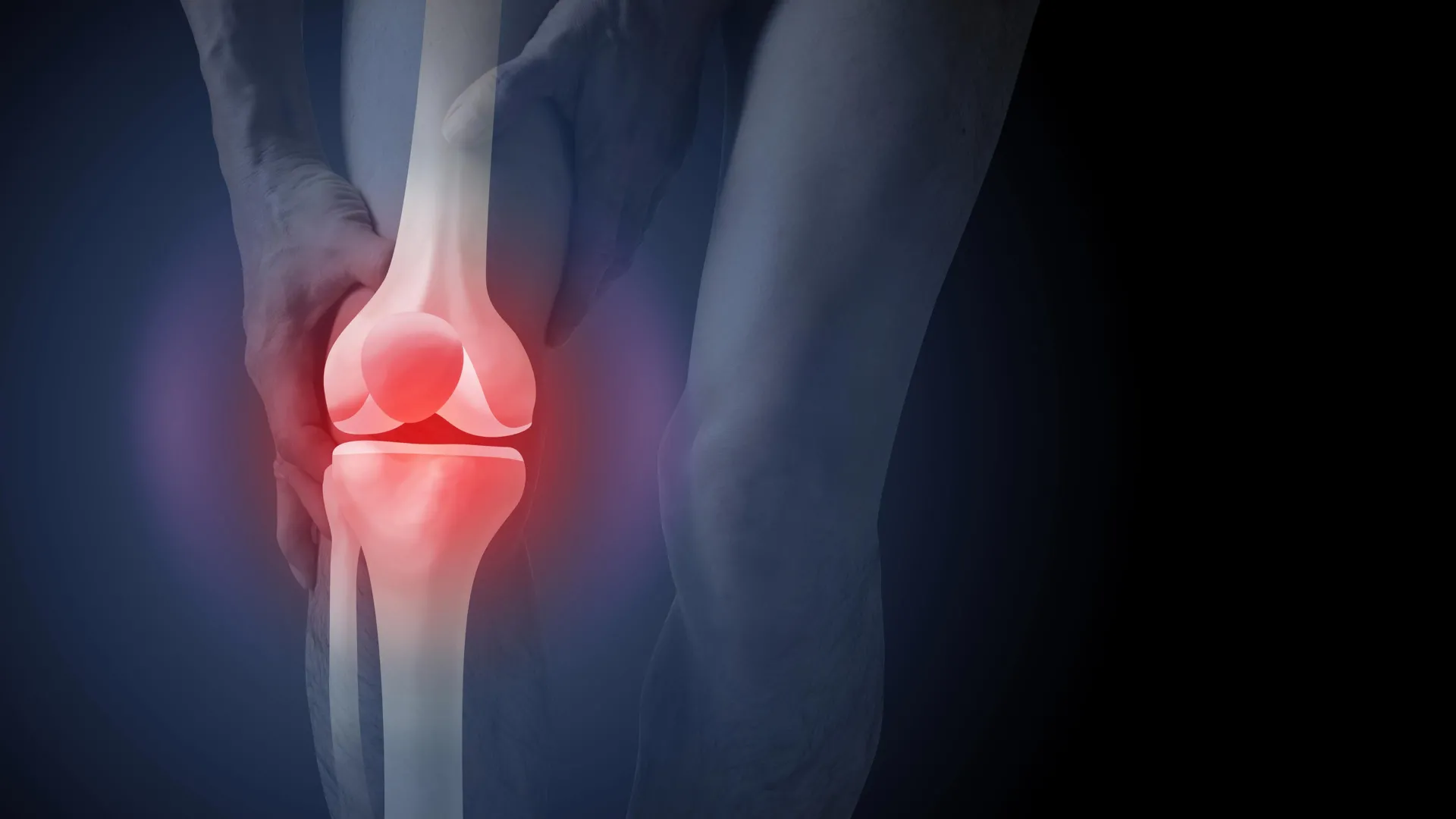
SN101 is made from mature iPSC-derived peripheral pain-sensing neurons (nociceptors) and is being developed to address chronic osteoarthritis pain. The findings showcase an approach that departs from traditional pain management methods.
How SN101 Uses Engineered Neurons to Reduce Pain
“Our approach utilizes high-purity, iPSC-derived nociceptors (SN101) that effectively function as a sponge for pain factors. By injecting SN101 cells, we counterintuitively relieve pain and halt cartilage degradation,” said Gabsang Lee, scientific co-founder of SereNeuro and a professor of neurology and neuroscience at Johns Hopkins University.
According to the new data, SN101 neurons act by absorbing inflammatory pain molecules rather than passing pain signals to the brain. The cells also release regenerative factors that have been confirmed through mechanistic studies, supporting their potential as a disease-modifying osteoarthritis drug (DMOAD).
Comparing SN101 to Single-Target Therapies
The presentation further explains how SN101 differs from emerging drug classes such as Nav 1.8 inhibitors. While those therapies focus on blocking a single pain-related pathway, SN101 cells naturally express all major pain receptors and ion channels. This broad biological profile allows the treatment to influence multiple pathways at once to help reduce both pain and inflammation.
The findings also compare SN101 with commonly used options like corticosteroids.
Limitations of Current Treatments and the Potential of SN101
“Current standard-of-care treatments, particularly corticosteroids, provide temporary relief but are known to accelerate cartilage degradation over time, ultimately worsening the disease,” said Dr. Daniël Saris, a member of SereNeuro’s Clinical Advisory Board and a professor of orthopedics and regenerative medicine at Mayo Clinic.
In contrast, the evidence presented indicates that SN101 supports the preservation of joint tissue while easing chronic pain, and it does so without the risk of addiction.

